Types of packaging materials
How to choose the right type of packaging
Each variety of dairy products requires the use of a specific type of packaging. The correct choice of packaging by the manufacturer will allow you to preserve the taste of the product and meet its shelf life.
Types of packaging materials
Among the materials used for packaging milk products, the following can be distinguished:
- Plastic;
- Polyethylene;
- Glass
- Paperboard;
- Combined materials.
P/e packages
Polyethylene bags are quite popular containers. They are quite airtight, and the products packed in them are well protected from light. The packaging is characterized by low cost. Liquid products with a short shelf life are more often packaged in it.:
- Milk;
- Dairy desserts;
- Kefir;
- Ryazhenka;
- Sour cream;
- Curdled milk;
- Yogurts and more.
But plastic bags are also suitable for cottage cheese, cheese, curds, etc.
One of the disadvantages here is not very high reliability. The material is easily damaged, often the seams are not tight enough. Paint is sometimes smeared from polyethylene. If a cheap mixture is chosen for the production of packages, the product may get an unpleasant taste or toxic substances may enter it.
Cardboard boxes
Cardboard boxes are quite convenient to use. They consist almost entirely of recyclable raw materials. The material is able to reliably protect dairy products from light, bacteria, and air. Products can retain their freshness, taste, and useful qualities for a long time. The packaging is available in a wide range of volumes. Liquid and solid dairy products are packed in cardboard boxes. But you can use this type of container for viscous, bulk goods.
But the cost of such packaging is quite high. If the box manufacturer uses inexpensive synthetic adhesives, this may adversely affect the taste of the product. Also, the poor quality of the cardboard itself and its coating makes the box unstable to moisture.
Plastic cups, containers
Plastic containers are widespread. It is available in a wide variety of sizes, shapes and capacities. It is mainly intended for packaging granular and pureed dairy products.
She has good characteristics.:
- Environmental friendliness – harmful compounds are practically not used;
- Ergonomics;
- High tightness;
- Functionality;
- Affordable price.
Products can be packaged either manually or in an automated way. A reliable circuit locking system prevents unauthorized opening and ensures excellent tightness.
But the packaging is not very reliable mechanically. The degree of light transmission is quite high.
High performance in terms of tightness of plastic containers and glasses is largely attributed to special platinum lids. They are made of aluminum, PET, and combined materials. Under which lid dairy products are best preserved depends on the type of product.
Aluminum lids reliably insulate the dairy product from bacteria, oxygen, light and moisture. They contribute to the excellent preservation of the taste and aroma of products, are resistant to corrosion, alkalis, fats and acids. The material is environmentally friendly and hygienic.
PET plates are characterized by increased strength, tear resistance and puncture resistance. Containers covered with them can be heated in a microwave oven – they do not contain metal. These covers are great for different types of printing.
The mixap covers include metallized PET, paper and thermal varnish. They combine the advantages of PET and aluminum plates. At the same time, they are devoid of many of their disadvantages.
Plastic bottles
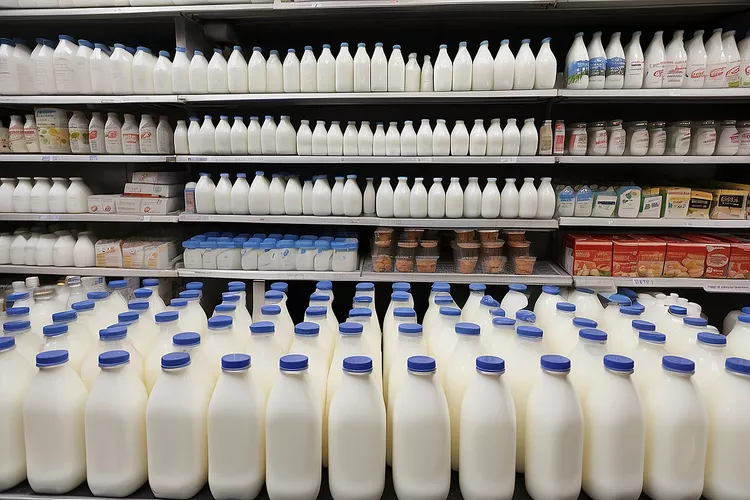
Plastic milk bottles are made of polypropylene, low-density polyethylene (HDPE) or polyethylene terephthalate (PET). It is considered that the best of these options is the last one. The transparent container allows you to visually monitor the condition of the dairy product, it does not break, it is light in weight and convenient for transportation, storage and use.
The demand for PET bottles is due to their environmental friendliness, low cost, and the possibility of recycling. The molded layout and sealed lid allow the container to be used repeatedly. The production technology of the products is the simplest and cheapest. The disadvantage here will be their low resistance to elevated temperatures.
Glass containers
Any dairy products can be packaged in glass packaging. The material is environmentally friendly, biologically and chemically inert. Fermented milk products in glass containers retain their microflora for a long time. Such packaging can be used repeatedly. But it is characterized by fragility and high cost.
How to choose the right type of packaging
The type of packaging for dairy products largely depends on their type, necessary conditions and shelf life. Almost any packaging is suitable for liquid products. It is better to pack thick fermented milk mixtures in opaque materials that can protect the product from light. Cottage cheese, processed and curdled cheeses are more often packed in plastic containers with aluminum plates. Choosing the right packaging will help you maintain product quality and win the love of the consumer!